Report an animal attack
Report an animal attack. Understand what happens during an investigation of the incident.
-2048x2048.jpeg/_jcr_content/renditions/cq5dam.web.1280.1280.jpeg)
What is an animal attack?
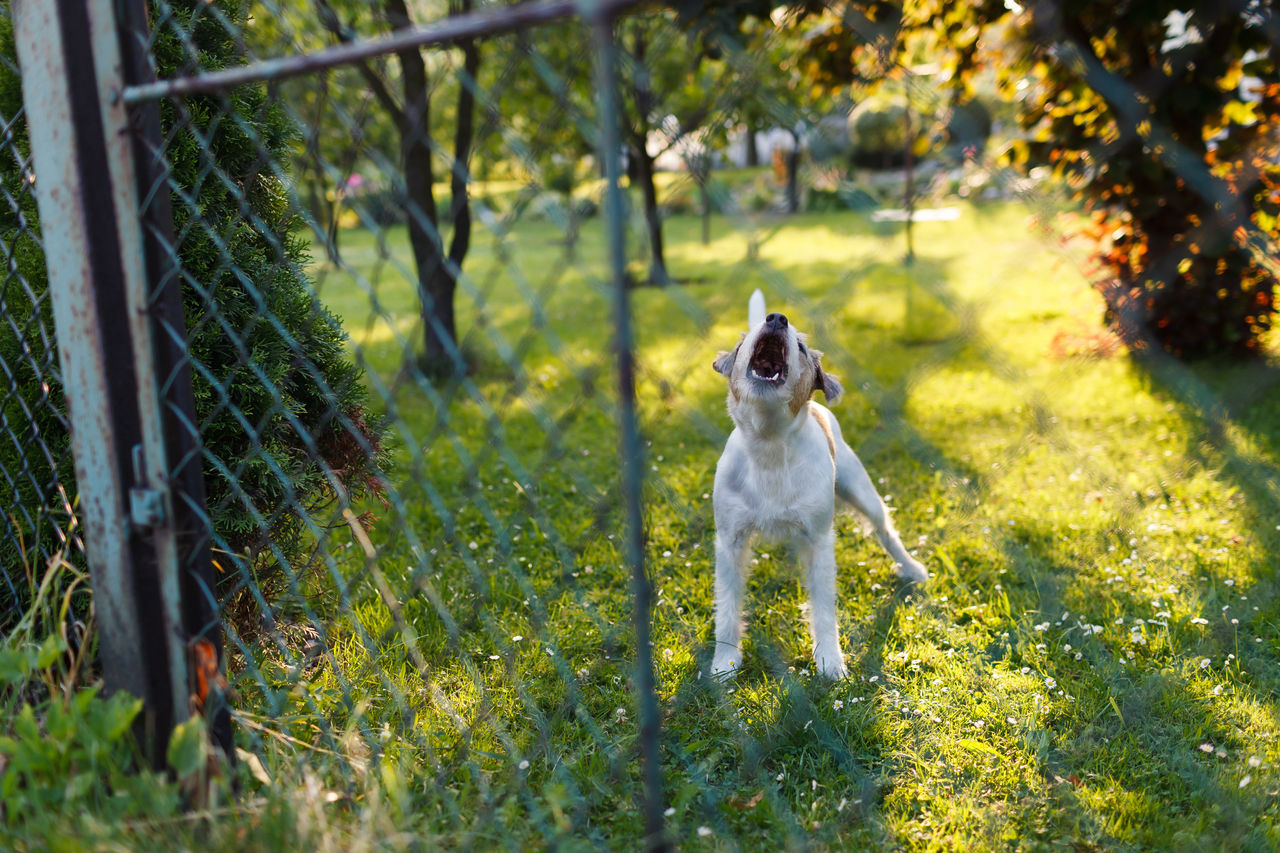
An animal attack occurs when a dog or other domestic animal has caused a physical injury or fear to a person or other animal. This includes biting, chasing or acting aggressively.
Behaviour that causes someone to feel threatened or unsafe may still be considered an attack, even if no physical contact occurs.
How to report an animal attack

To report an animal attack, call Council on 07 3403 8888.
If you’re a victim of an animal attack or witness an attack, report it as soon as possible.
When reporting an attack, provide as much information as possible, including:
- your contact details
- the date, time and location of the attack
- specifics about the attack, including how it started
- the colour, breed, size and any identifying features of the attacking animal
- injuries to any person or animal involved
- contact information from witnesses or anyone involved.

Investigation and follow-up
Council investigates the incident and gathers evidence from those involved.
We then determine what actions should be taken against the animal and its owner/keeper.
When investigating a reported animal attack, we gather information to understand what happened.
Actions we take include:
- conducting a background check on the offending animal and its owner/keeper to identify any offence history
- interviewing any witnesses and the owner/keeper of the offending animal
- conducting a site visit to ensure enclosures are adequate and there is no ongoing risk to the public.
Your evidence is crucial.
During an investigation, we record your interview. You are also required to:
- complete a statement
- provide any evidence you may have, such as photographs of injuries and medical/veterinary transcripts.
Your personal details remain confidential. However, documents relating to the case, such as your statement, may be made available under the Right to Information Act 2009. This may occur if the case proceeds to prosecution or is dealt with by the Queensland Civil Administrative Tribunal (QCAT). If you are concerned about this, inform the officer handling your case.
What happens to the animal?
The animal's history, the severity and location of the attack will determine the level of action.
We have a variety of options to use, and may:
- direct the responsible person to enclose the dog in a secure and safe area
- declare the animal to be a regulated animal, making the responsible person comply with mandatory conditions
- seize the animal and impound for the duration of the investigation
- seize the animal and issue a destruction order
- take no further action.

Does the owner/keeper of the animal receive a fine?
Council may commence prosecution if there is evidence that the animal has attacked and there is no defence to this.
In some circumstances, the animal owner/keeper may be fined up to $100,000 and/or face imprisonment.
They may also be fined for:
- failing to register their dog(s)
- allowing their animal to wander at large
- failing to maintain effective control
- not complying with the minimum standards for keeping animals.
Helpful links

Frequently asked questions
You can’t report an animal attack anonymously as we may need to contact you about the incident in the future. However, your name and other personal information won’t be shared with anyone, including those involved in the attack. You may be required to provide evidence if the matter proceeds to court.
Seeking reimbursement for medical or veterinary expenses following an animal attack are considered civil matters. Council is unable to assist with cost recovery. You may wish to seek independent legal advice.
You can report feral animals other than domestic dogs, including wild dogs and red foxes.