Planned burns and smoke

Link copied

Find information about planned burns. Learn how you can protect yourself and your family from smoke.

Planned burns in Brisbane

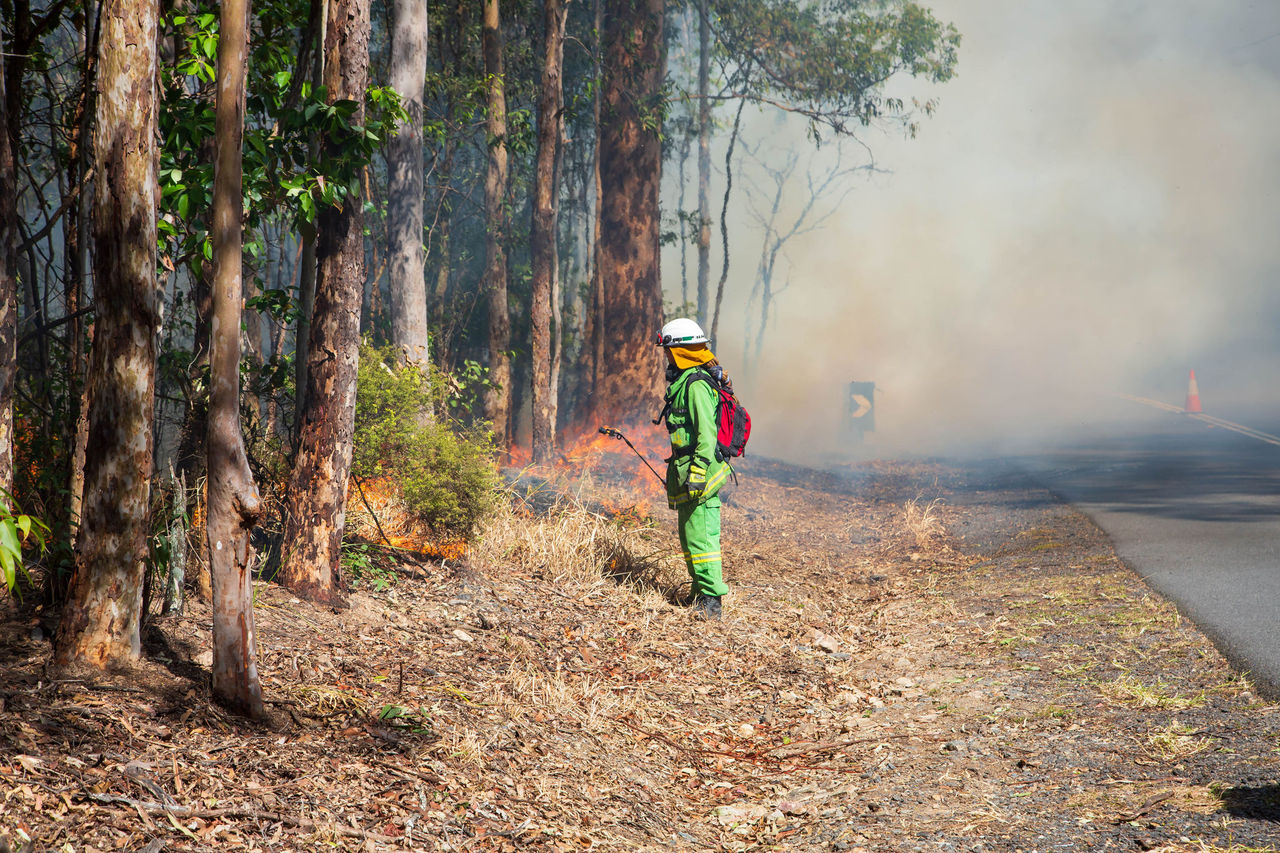
Council conducts planned burns to maintain the health of our bushland and lessen the risk of bushfires. 

Burns reduce the amount of materials that can fuel fires, such as dead wood. They are sometimes called hazard reduction burns.

Most planned burns in Brisbane take place between February and August, in line with air quality forecasts. 

Video: How and why Council conducts planned burns

Watch our video to learn more about how and why we do planned burns.

This is a video transcript of the Planned burns video hosted on Brisbane City Council's YouTube channel. This video is 1 minute and 57 seconds long.

>> Female voice: Brisbane City Council is one of the largest councils in the Southern Hemisphere.

Home to a diverse range of flora and fauna, from forests to hills to wetlands.

Every year, Council undertakes planned burns to protect homes to maintain healthy forests, healthy habitats and to decrease the impact of wildfires.

Planned burning aims to reduce the amount of fuel by 75 per cent across 60 to 80 percent of the land being burnt.

Over 100 Council personnel are trained to undertake planned burns.

Dedicating thousands of staff hours onsite each year and hundreds of hours of planning.

To protect wildlife during burns, Council creates smaller, slower, less intense burns with lower flames, exclude zones where sensitive wildlife habitats exist and provides safe movement corridors for wildlife to exit burns.

To find out where Council is conducting planned burns next, and how you can prepare your property, visit brisbane.qld.gov.au.

Stay updated about planned burns and fires

Properties next to a burn area will receive information about a planned burn in their letterboxes.

We also post notices on Facebook and X (formerly Twitter) on the day of a burn.

You can use the following resources to stay up-to-date with information about fires and burning activities happening near you.

Protect yourself from smoke 

Air pollutants and smoke from bushfires and planned burns can impact our health and safety. 

Smoke affects everyone, but presents a higher health risk to young children, the elderly, pregnant women and people with existing respiratory or cardiovascular conditions.

You can take the following steps to protect yourself and your family from smoke.  

Preparing for a smoke event

  • Stay aware of your local air quality 
  • Keep smoke out of the house by making sure windows and doors seal well, for example using draft excluders.
  • Make an action plan with your healthcare provider to manage your health when smoke occurs. If you have a chronic medical condition, ask your doctor about how you can help control your symptoms.
  • Have a supply of P2/N95 face masks at home. Make sure they fit your face well.
  • Be aware of heat stress indoors, especially if you do not have air conditioning at home.
  • Identify locations to go to with clean air, if necessary, for example local air-conditioned library or shopping centre.
  • Consider obtaining an air purifier with a high-efficiency particulate air (HEPA) filter, which are effective at reducing fine particles in your home. You may wish to set up a room in the house as your clean air haven.
  • Check that your air-conditioner filter is clean.
  • Stay up-to-date with information about bushfires and planned burns.

During a smoke event

mdi alert Red

If a medical emergency is happening now, call Triple Zero (000).

  • Follow the medical action plan you developed with your doctor. If you experience trouble breathing or chest pain, seek medical advice immediately.
  • Close windows and doors promptly.
  • Keep track of changes in air quality where you live.
  • Reduce the amount of smoke you breathe in by staying indoors. If necessary, use your P2/N95 mask.
  • Refrain from exercising as this causes you to breathe in more smoke.
  • Keep indoor air as clean as possible by:
    • turning on your air-conditioner to 're-circulate'
    • turning on your air purifier with HEPA filter
    • avoiding smoking, burning candles, frying or grilling food or vacuuming.
  • If you need to move to a location with cleaner air or air conditioning, make sure it is safe to do so.

After the smoke has cleared, open up the house to get fresh air through. Wipe surfaces with a damp cloth so that contaminated dust does not get re-suspended into the air.

mdi information outline1

Note

To find out more about what to do before, during and after a smoke event, download the bushfire smoke fact sheet produced by the Menzies Institute for Medical Research at the University of Tasmania and the Centre for Safe Air.

mdi alert yellow

Are you bushfire ready?

Make sure you understand your area’s bushfire risk.

You must also ensure you're prepared for bushfires and other severe weather events.