Platypus conservation

Link copied

Discover how we protect platypus and how you can help them. Learn about our platypus population, their diet and habitat.

Did you know one of Australia’s most iconic animals, the platypus, can be found in some of Brisbane's creeks? 

Council invests in conservation and research projects to protect our local platypus population.

About the platypus

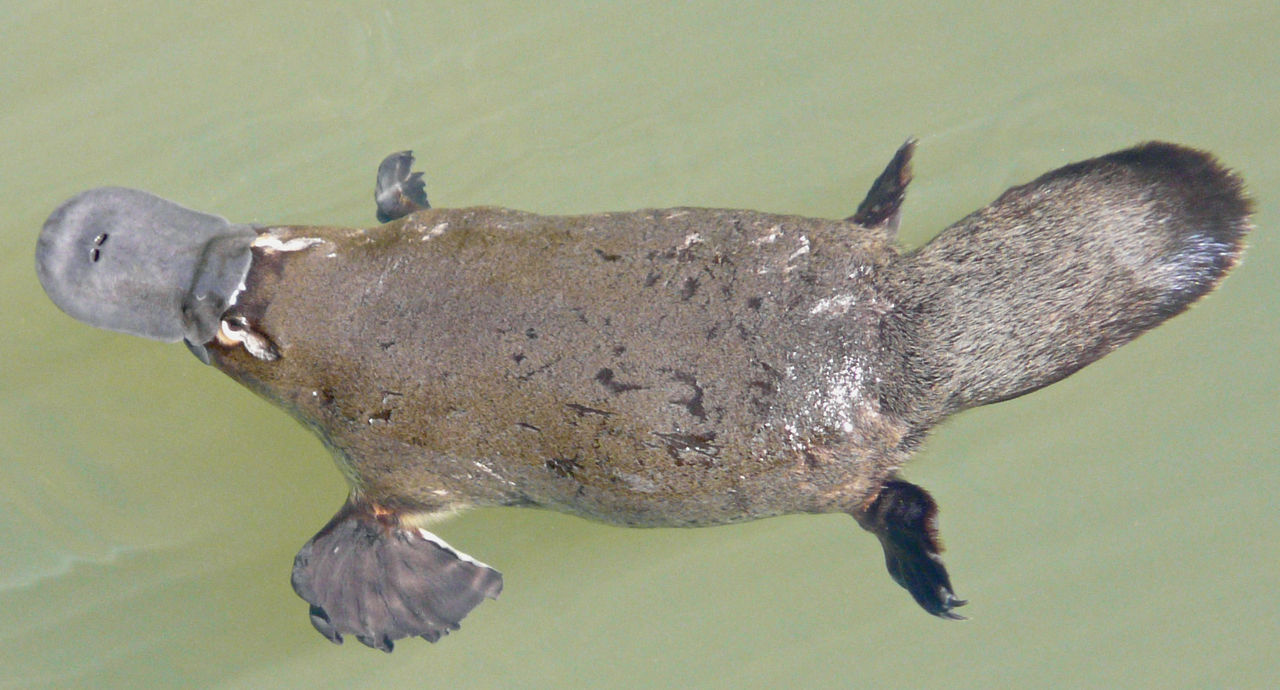
The platypus is a unique egg‑laying mammal (a monotreme) belonging to a group of animals that existed before dinosaurs were extinct.

Males have a venomous ankle spur on their hind leg, and both males and females have dense, waterproof fur (equivalent to a 3 millimetre wetsuit) that keeps them warm in cold water.

Platypus prefer slow‑flowing creeks and waterholes 1–4 metres deep with logs, branches, leaf litter and well‑vegetated creek banks for shade and protection.

In Brisbane, platypus have been recorded in:

  • Albany Creek
  • Bullockhead Creek
  • Cabbage Tree Creek (Lake Manchester)
  • Kholo Creek
  • Gold Creek
  • Jindalee Creek
  • Pullen Pullen Creek
  • Shelley Creek (Kholo)
  • Sandy Creek (Wacol)
  • Moggill Creek
  • Farm Creek
  • Kangaroo Gully Creek

Platypus have also been observed in the upper Brisbane River, which they use as a movement corridor.

You can access up-to-date records of platypus sightings in Brisbane on The Platy Project or Atlas of Living Australia websites.

Swimming with their eyes, ears and nose shut, platypus hunt entirely by feel, using a remarkable sixth sense called electroreception to detect the tiny electrical fields of their prey.

They are mostly nocturnal and can spend 10 to 12 hours a day foraging for food. Their diet includes:

  • insect larvae
  • worms
  • molluscs
  • crustaceans
  • fish eggs
  • tadpoles.
lightbulb

Did you know?

An adult platypus eats around one third of their bodyweight daily — equivalent to us needing 25 pizzas a day!

Platypus breed from July to October. Females dig nesting burrows into creek banks. These burrows can be up to 30 metres long. Females carry sticks and leaves to their burrow in their tail. Each female lays one or two eggs.

Young platypus are called puggles. They are born hairless and blind and are raised in the burrow for around four months.

lightbulb

Did you know?

Female platypuses lack nipples. Young suckle from a milky patch in a temporary pouch that forms on the mother’s stomach.

Across Australia, platypus numbers are declining due to:

  • habitat loss
  • pollution and poor water quality
  • changes to natural water flows
  • damage to riparian vegetation and banks
  • predators including foxes and domestic animals
  • entanglement in fishing gear and rubbish
  • barriers such as dams, weirs and culverts
  • severe weather impacts including droughts and floods.

What we’re doing to help

Read about what we're doing to protect platypus and their habitat.

We are partnering with leading experts and universities to better understand and manage local platypus populations.

We undertake environmental DNA (eDNA) monitoring, which collects fragments of platypus DNA from the water and maps platypus distribution to guide conservation actions.  

We work to care for our waterway corridors through:

  • careful planning
  • effective management of pest plants and animals
  • improving water quality through stormwater treatment and erosion control programs
  • protecting significant vegetation under the Natural Assets Local Law.

We are also working to understand how to manage flowing water and waterholes that are critical for platypus during dry times.

Through ongoing monitoring, regulation and practical action, we’re ensuring Brisbane's platypus environments are protected and remain healthy for the future.

To restore platypus habitat, we are:

  • rehabilitating waterways
  • acquiring bushland
  • delivering environmental offsets
  • supporting habitat improvements on private land through the Land for Wildlife program
  • offering environmental grants for habitat restoration.

We are encouraging community stewardship and participation by:

How you can help

mdi alert yellow

Note

If you find a sick or injured platypus, phone the RSPCA on 1300 ANIMAL (1300 264 625)

There's a lot you can do to help protect this iconic species and our local creeks. If you live near a creek or platypus habitat, you can:

  • keep dogs on-leash near waterways
  • follow fishing rules and using only open‑topped yabby traps
  • keep waterways clean:
    • wash cars on grass
    • reduce chemical use, pick up pet waste
    • not littering
    • removing rubbish, especially ring‑shaped items like hair ties and rubber bands.
  • join a Habitat Brisbane community bushcare group or Creek Catchment group
  • register your property as a Land for Wildlife partner
  • keep your eyes on the creek - report issues to Council by phone on 07 3403 8888.

Report a platypus sighting

Every sighting helps improve understanding of platypus populations. 

Report a sighting through The Platy Project (Australian Conservation Foundation) or PlatypusWatch (Wildlife Preservation Society of Queensland) via their websites:

Koala in a tree at Brisbane Koala Bushlands.

Get involved in Platymonth

Platymonth celebrates Brisbane’s platypus through community events, education and activities. In 2026, Platymonth is held during August and September.