Housing supply​

Link copied

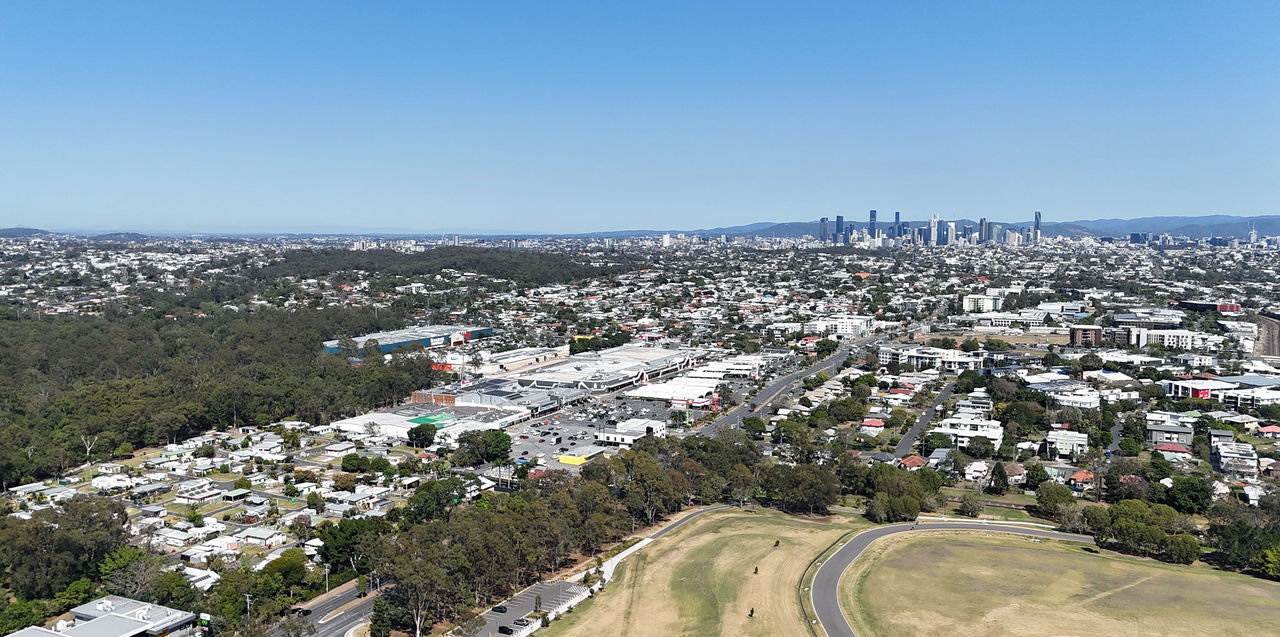
Discover how we’re helping to boost housing supply and diversity in response to the city’s population growth.

Why does Brisbane need more homes by 2046?

Brisbane is growing rapidly, and by 2046, we will need around 210,800 new homes to support a larger and more diverse population. This growth is driven by people moving here from interstate and overseas, as well as natural population increases.

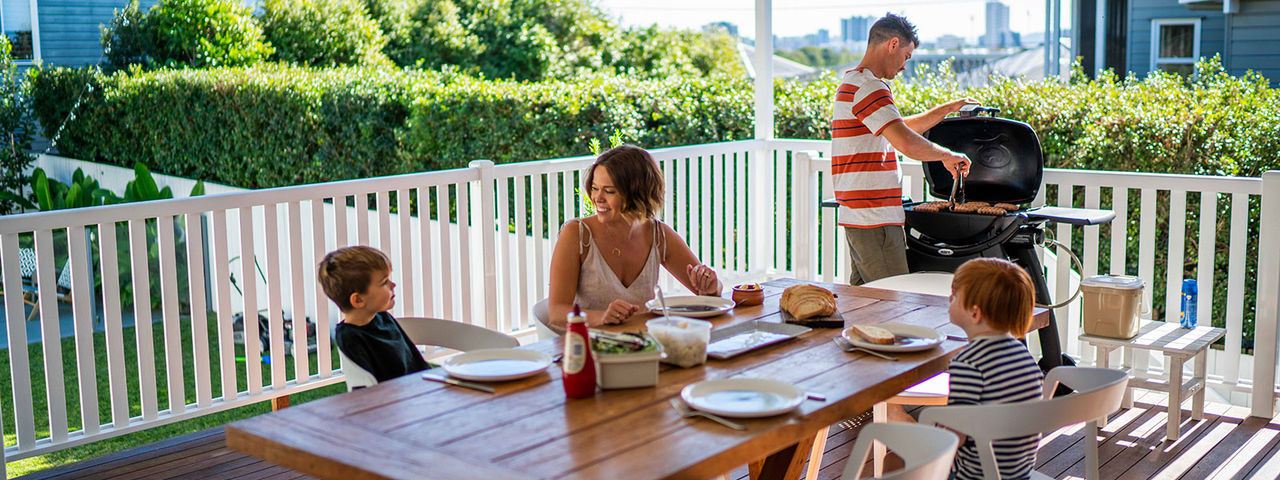
Household sizes are also changing, with more people living alone or in smaller family groups. This shift means we need a greater variety of housing options to meet diverse needs.

Single people and couples without children now make up more than half of all households, yet less than a third of available housing offers one- or two-bedroom options. At the same time, our ageing population is driving demand for downsizing and multigenerational living, key trends we need to plan for.

To support this growth sustainably, Council is delivering these key initiatives:

Together, these initiatives focus on delivering well-located, affordable, and diverse housing options that help avoid urban sprawl, protect our green spaces, and reduce long commutes.

More Homes, Sooner: Low-Medium Density Residential zone changes

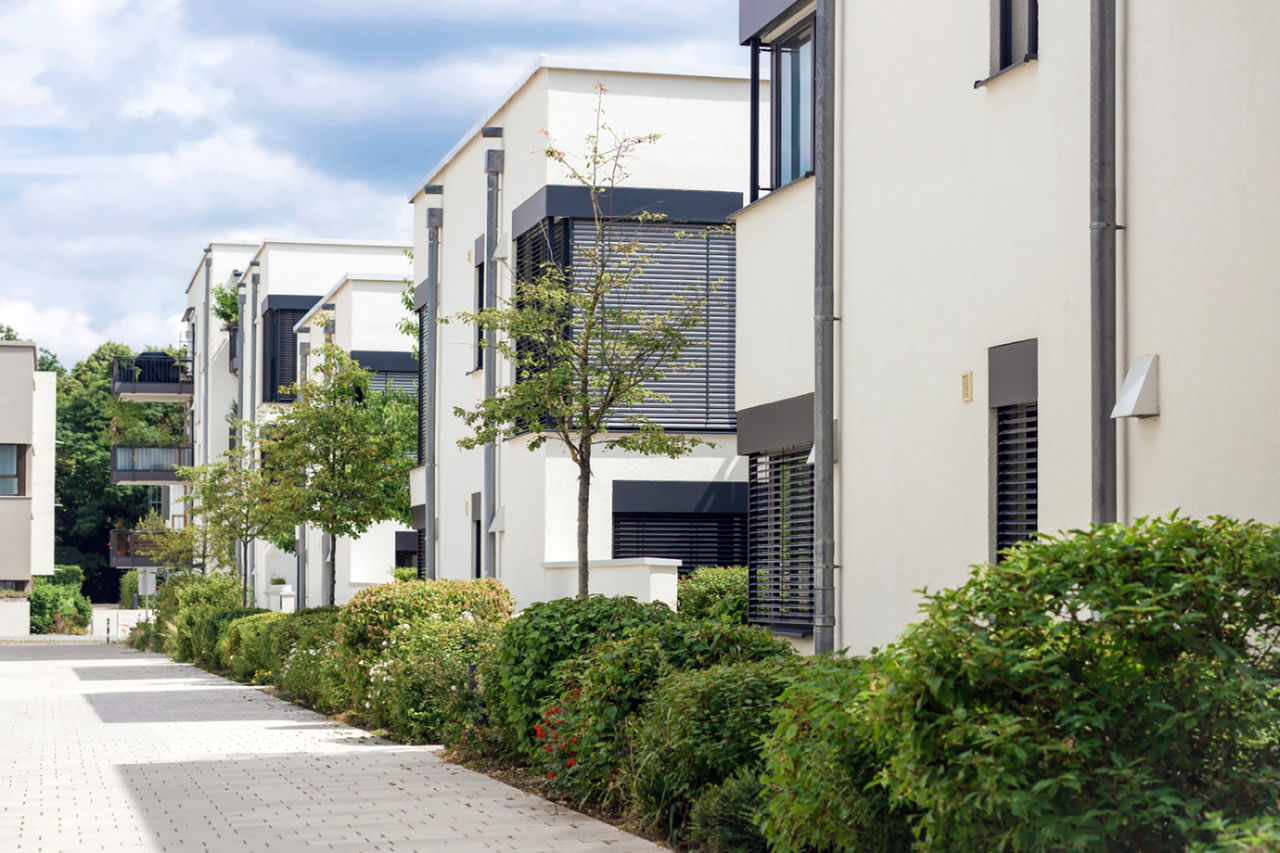
We're updating planning rules relating to Brisbane's Low-Medium Density Residential zone, seeking to increase housing choice while protecting neighbourhood character.

The goal is to support more diverse homes near shops, services and public transport.

Outside view of multi story apartment building at West End

Brisbane's Sustainable Growth Strategy

Brisbane is a safe, vibrant, green and prosperous city valued for its friendly character and subtropical lifestyle.  

Our popularity and growth have created housing pressures. As the region continues to grow, housing choice will need to reflect our changing communities.

Brisbane's Sustainable Growth Strategy is Council's housing and homelessness strategy.

It outlines our initiatives to address the key challenges for our growing city:

  • keeping Brisbane affordable 
  • achieving sustainable development goals and protecting Brisbane’s rich biodiversity
  • managing sustained population growth and changes in established and emerging communities 
  • planning for housing in areas that maximises city-shaping infrastructure 
  • delivering infrastructure to meet future population growth
  • building new, well-designed housing that meets the needs of current and future communities, stage-of-life changes and people with specific needs
  • responding to housing needs during and after major events such as pandemics or floods
  • supporting our economy and enhancing our lifestyle.

Download Brisbane's Sustainable Growth Strategy to learn more.

Key priorities

The strategy addresses 4 key priorities.

Council facilitates the delivery of housing, associated infrastructure and supporting services that reflect the community’s values and expectations.

What are we already doing?

All residents should have equal access to safe, affordable, well-designed and conveniently located housing that matches their stage of life and circumstances.

What are we already doing?

  • Supporting community housing providers to deliver affordable housing development in the city.
  • Supporting multigenerational family households by enabling secondary dwellings (e.g. granny flats) to be constructed within residential areas.
  • Facilitating a wide range of homelessness support initiatives.
  • Supporting changes to body corporate legislation that will allow for the redevelopment of older residential accommodation.
  • Investigating housing opportunities for single occupant or couple households.
information outline

Incentives for building rentals

Under the Brisbane Build-to-Rent Incentive Policy, Council will defer infrastructure charges for up to 5 years for new large-scale, multiple-dwelling developments. 

Until 1 October 2026, eligible developments in targeted zones can apply for a deferral.

New housing for our community should be focused in the most appropriate locations for access to transport, services, recreation and employment opportunities.

What are we already doing?

  • Coordinating land use and infrastructure planning to ensure developing areas are well serviced by road and stormwater infrastructure and have a high level of access to public and active transport, open space and community facilities.
  • Implementing new precinct planning in suburban and inner-city locations in consultation with communities to deliver localised outcomes, maximise existing transport and identify future potential infrastructure that supports the community.
  • Delivering suburban upgrades to create vibrant centres for local communities.

New residential buildings should be designed to suit Brisbane’s climate and lifestyle.

What are we already doing?

  • Supporting quality design that considers Brisbane’s subtropical climate, biodiversity and landscape through our design guides.
  • Encouraging generous balconies and communal areas in new residential buildings to support outdoor living through City Plan provisions. 
  • Introducing sustainable design outcomes for new homes to support outdoor living, retain trees and greenery and contribute to residents’ privacy.
  • Embedding subtropical design principles into City Plan to ensure new residential buildings are appropriately designed to suit our climate and lifestyle.

Brisbane's Housing Supply Action Plan 

The Brisbane Housing Supply Action Plan takes targeted actions to address short-to-medium-term housing supply. 

It includes a series of actions to make it easier for industry to build more housing sooner and address housing supply challenges. 

The plan helps to reduce construction costs and encourage faster development through:

  • reduced or deferred infrastructure charges
  • new planning strategies
  • fast-tracked assessment
  • advocacy for Queensland and Australian planning reforms and support for more housing.

Download Brisbane's Housing Supply Action Plan to learn more.

Brisbane Housing Supply Incentive Policy

As part of the Brisbane Housing Supply Action Plan, reduced infrastructure charges are available for developments of eligible multiple dwellings in identified, well-serviced growth areas.

Download the Brisbane Housing Supply Incentive Policy to learn more.

For eligible developments, Council will enter into an Infrastructure Agreement under the Planning Act 2016 to reduce the infrastructure charges payable. 

The infrastructure charges reduction will be applied:

  • to the eligible component of development
  • at the time of payment 
  • before the application of any demand credits, discounts or infrastructure offsets.

For more information, read the Brisbane Housing Supply Incentive Policy.

Eligibility criteria – 100% charge reduction for Community Housing Providers

To be eligible your development must meet all relevant criteria, including being:

  • an approved multiple dwelling or designation for social or affordable housing
  • owned and managed by a registered community housing provider on a long-term basis as social or affordable housing.

Note: eligible dwellings do not have a bedroom limit, and may be located in any zone.

Eligibility criteria – 50% or 75% reduction for any eligible development

To be eligible, your development must be:

  • approved for a material change of use for a multiple dwelling use by 30 June 2025 (does not apply to change representations, a change application, an extension application or an appeal)
  • a dwelling with no more than 2 bedrooms
  • located within City Plan's:
    • High density residential zone
    • Principal centre zone
    • Major centre zone
    • Mixed use zone, or 
    • any zone if delivered by a community housing provider
  • proposed but not yet under construction. 

Note: If you are not a Community Housing provider, applications must be made to Council before 1 April 2026.
Complete the Infrastructure Agreement Request Notice to apply for a reduction. Include supporting information to demonstrate your eligibility.

Submit your completed form by emailing Council.

Brisbane Build-to-Rent Incentive Policy

The Brisbane Build-to-Rent Incentive Policy makes large-scale multiple dwelling developments in approved locations eligible for deferred infrastructure charges

Under the policy, a build-to-rent development is a new, purpose-built, large-scale, multiple-dwelling residential development. All dwellings in the building are retained in one ownership for the purpose of being managed for a minimum of 10 years as long-term rental housing.

Download the Brisbane Build-to-Rent Incentive Policy to learn more.

To be eligible, your development must be:

  • approved for a material change of use for a multiple dwelling use by 30 June 2025 
  • located within City Plan's 
    • High density residential zone
    • Principal centre zone
    • Major centre zone
    • Mixed use zone  
  • used entirely for build-to-rent purposes (applies to the residential component of the building). 

For eligible developments, Council will enter into an Infrastructure Agreement under the Planning Act 2016 to defer the payment of the infrastructure charges for up to 5 years for the build-to-rent component of the development. 

The deferred charges must be paid in annual instalments once the eligible development is in use.

For more information, read the Brisbane Build-to-Rent Incentive Policy.

information outline

Note

Our special assessment unit streamlines assessment of priority development applications that support Council's housing initiatives.

For advice on your development application, request Council assistance

Complete an Infrastructure Agreement Request Notice to apply for a deferral. Include supporting information to demonstrate your eligibility.

Submit your completed form by emailing Council.

More Homes, Sooner: Low-Medium Density Residential zone review

We are considering changes to building heights, parking and lot sizes to reduce costs and make it easier to build new homes in the Low-Medium Density Residential (LMR) zone.

The LMR zone makes up 14 per cent of Brisbane’s residential areas and includes small parts of a range of suburbs.

The zone already allows for townhouses, units, apartments and row houses and is generally in locations close to public transport, shopping centres and other services. The proposed changes will support the construction of more of these types of homes in this zone.

You can share initial feedback on the proposed changes by emailing Council. Formal consultation commences in early 2026. Sign up to hear more and have your say when consultation opens.

What changes are being proposed?

Proposed changes to the LMR zone include:

  • increasing the allowable building height from 2-3 storeys to 3 storeys
  • in some well-located sites near frequent public transport or shops, the allowable building height will go up to 4 storeys
  • minimum block sizes will be reduced from 260m2 to 120m2 more than 400 metres walking distance from high-frequency transport or shopping centres, making it easier to build more homes
  • simplifying the development assessment process, so more developments can be assessed quickly and easily
  • new design requirements will protect the character of suburbs including minimum setbacks from freestanding houses, maximum building footprints, and space to provide street trees.

Currently, low-density residential properties can be subdivided into 300 square-metre lots if they’re located within 200 metres walking distance of a shopping centre. This will be expanded to properties within 300 metres walking distance of a shopping centre under the proposed changes.

A car parking space could add up to $82,000 to the cost of a unit outside the inner city. To assist affordability, parking requirements are proposed to be adjusted across the city.

Proposed city wide parking rates*

Home size Current multiple dwelling rate Proposed city wide Proposed key location**
1 bedroom 1 1 1
2 bedroom 2 1.5 1.2
3 bedroom 2 2 1.6
4 bedroom+ 2.5 2.5 2.0
Visitor 0.25 0.25 0.25

* Outside the City Core and City Frame areas
** Key locations within 400 metres walking distance to high-frequency public transport stations; or routes with public transport services at least every 20 minutes 7am-7pm weekdays and at least 30 minutes 7am-7pm weekends; or Centre zones.

The LMR zone makes up about 14% of the city and includes small parts of a range of suburbs. Download a map of the LMR zone.

LMR areas currently feature a variety of housing types, including 2 or 3 storey duplexes, six-pack apartments, row houses and townhouses, and are typically located close to public transport corridors, shopping centres and other services.

Under current rules, the construction of new homes in low-medium density residential areas has declined significantly, from around 1,100 homes annually to just 445 in 2023.

Brisbane is growing fast, with more than 600 people moving here every week. Increasing construction costs have slowed down the construction of much-needed homes.

With 96% of all homes built by the private sector, we’re striking the right balance between encouraging more homes in well-located areas, while protecting Brisbane’s character.

While more than half of all households are made up of single people or couples without children, 71% of Brisbane homes have three or more bedrooms.

Many people can’t find homes that suit their needs or stage of life and are looking for smaller, more manageable homes that keep them connected to the neighbourhoods they know and love.

These changes aim to support a more affordable, liveable and inclusive Brisbane — where people can find the right kind of home, in the right place, at the right time in their lives.

We’re striking the right balance by encouraging more homes in areas located close to public transport and shopping centres to help protect the character of our suburbs.

While Brisbane has the highest level of public transport in South East Queensland, the proposed parking rates will remain comparable to surrounding council areas even after the changes.

By adjusting parking rates and creating more homes in established areas close to existing transport and services, we are making it more affordable to build homes while ensuring Brisbane continues to be a great place for everyone to live, work and relax.

The changes are incremental, with a change from the current maximum 2-3 storeys in some areas to 3 storeys, and up to 4 storeys near commercial centres and good public transport.

The proposed changes will include minimum setbacks between 3 and 4 storey buildings to detached houses, minimum frontage widths (to allow for street trees and front gardens), and controls over the amount of the site that a new building can cover.

Next steps

  • May - December 2025 – Technical investigations, initial feedback and review.
  • December 2025 – Council approval of draft amendment package and initial community feedback.
  • Early 2026 – Formal community consultation on the draft amendment.
  • Mid 2026 – Feedback reviewed, amendment updated and submitted for Queensland Government review.
  • Late 2026 – Council adopts amendment into Brisbane City Plan 2014.

More information

Register to receive updates on housing strategies, and planning and development in Brisbane.

You can also:

  • email Council
  • phone Council on 07 3403 8888
  • write to:
    Strategic Planning (Brisbane's Sustainable Growth Strategy)
    Brisbane City Council
    GPO Box 1434
    Brisbane Qld 4001

Frequently asked questions

Under the Brisbane Housing Supply Incentive Policy, Council will reduce infrastructure charges and offer specialist fast-tracked assessment for eligible developments in targeted areas. 

The aim of the policy is to help get more homes built sooner by reducing the cost of constructing the most needed developments.